

Custom Home Designs: Comparing Floor Plans and Pre-Designed Options for Informed Homebuyers
Designing a home that fits both your vision and your budget hinges on understanding the differences between custom home designs and pre-designed options. For homebuyers seeking custom floor plans for Vero Beach homes, making the right choice at the planning stage determines lifestyle comfort, resale value, and construction efficiency. This guide clarifies definitions, explores benefits and trade-offs, compares cost and timeline, highlights local builders on the Treasure Coast, and reviews the latest 2025 design trends. Along the way, you’ll also discover how to prepare your property for a flawless move-in with professional post-construction cleaning from Freedom Cleaning Solutions.
What Is a Custom Home Design and How Does It Differ from Pre-Designed Options?
Custom home design integrates a homeowner’s unique needs into every aspect of the architectural plan, while pre-designed house plans rely on standardized layouts with limited modification. At Ballard Custom Homes, we specialize in creating one-of-a-kind homes tailored to your lifestyle, preferences, and future plans. Contact us today to start designing a home that’s anything but standard.
What Defines a Custom Home Floor Plan?
A custom home floor plan is a tailored architectural blueprint created from scratch to match specific site conditions, functional requirements, and aesthetic preferences. Because architects and builders collaborate closely with the client, every room dimension, traffic flow pattern, and facade detail reflects personal priorities—whether that’s a beachfront view corridor or a multi-generational suite. This level of control ensures the floor plan aligns with lifestyle goals and lot characteristics.
What Are Pre-Designed House Plans and Their Common Types?
Pre-designed house plans, also known as stock or catalog plans, are ready-to-build layouts developed by architects or plan services.
Common types include:
- Production homes: Factory-approved stock plans built repeatedly by volume builders.
- Modular homes: Factory-manufactured modules assembled on site for speed.
- Semi-custom designs: Stock plans allowing limited layout tweaks.
These options reduce design fees and accelerate construction, though they offer fewer personalization opportunities.
How Do Custom and Pre-Designed Homes Differ in Personalization and Flexibility?
Custom designs grant full control over spatial configuration, finishes, and structural elements, while pre-designed plans only allow predefined modifications such as window swaps or room reassignments. This flexibility gap means custom homeowners can optimize for views, passive solar gain, or curb appeal, whereas pre-designed clients trade personalization for predictability and shorter lead times.
What Are the Key Benefits of Custom Home Floor Plans?
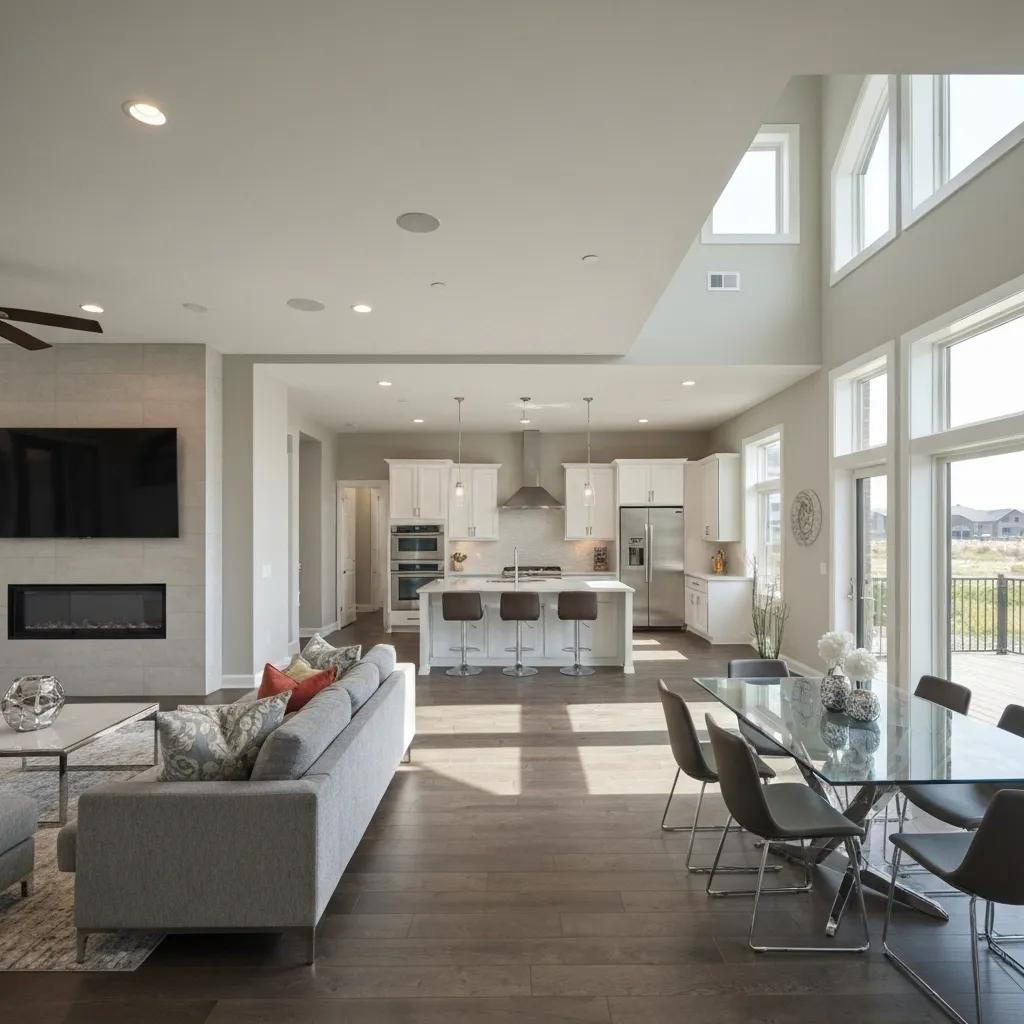
Custom floor plans deliver tailored functionality, optimized site integration, and potential for higher resale returns through unique architectural appeal.
Custom Home Design Benefits
Custom homes offer the advantage of being tailored to the homeowner’s unique vision, ensuring that every detail aligns with their specific needs and preferences, resulting in a home that is both functional and aesthetically pleasing.
This supports the article’s emphasis on the benefits of custom home design.
How Does Personalization Enhance Your Lifestyle and Home Functionality?
Personalization lets homeowners specify room adjacencies, ceiling heights, storage solutions, and specialized spaces—such as hobby studios or home offices—creating a residence that adapts to daily routines and entertains seamlessly. For example, a Vero Beach owner might orient living areas toward ocean breezes while locating service zones away from sightlines.
In What Ways Do Custom Floor Plans Optimize Site and Lot Characteristics?
By leveraging topography and solar orientation, custom plans maximize natural light, privacy, and outdoor connections. Architects can design stepped foundations on sloping lots or cantilevered lanais over marshland, ensuring each square foot works with—rather than against—environmental factors.
How Do Custom Designs Impact Property Value and Long-Term Investment?
Because truly bespoke homes stand out in a market saturated with cookie-cutter offerings, custom residences often command premium resale prices. Unique rooflines, custom millwork, and site-specific features attract discerning buyers willing to pay above neighborhood averages.
What Role Do Energy Efficiency and Sustainable Materials Play in Custom Homes?
Custom projects integrate high-performance insulation, solar mapping, and eco-friendly materials—such as FSC-certified timber or recycled steel—to reduce operating costs and carbon footprints. Tailored passive strategies, like strategic window placements for cross-ventilation, further enhance energy savings.
Top 10 Benefits of Building a Custom Home
Custom homes offer complete control over every aspect of the design, layout, materials, and finishes, allowing for personalization that aligns with the homeowner’s lifestyle and preferences.
This supports the article’s discussion of the benefits of custom home design.
What Are the Advantages and Disadvantages of Pre-Designed House Plans?
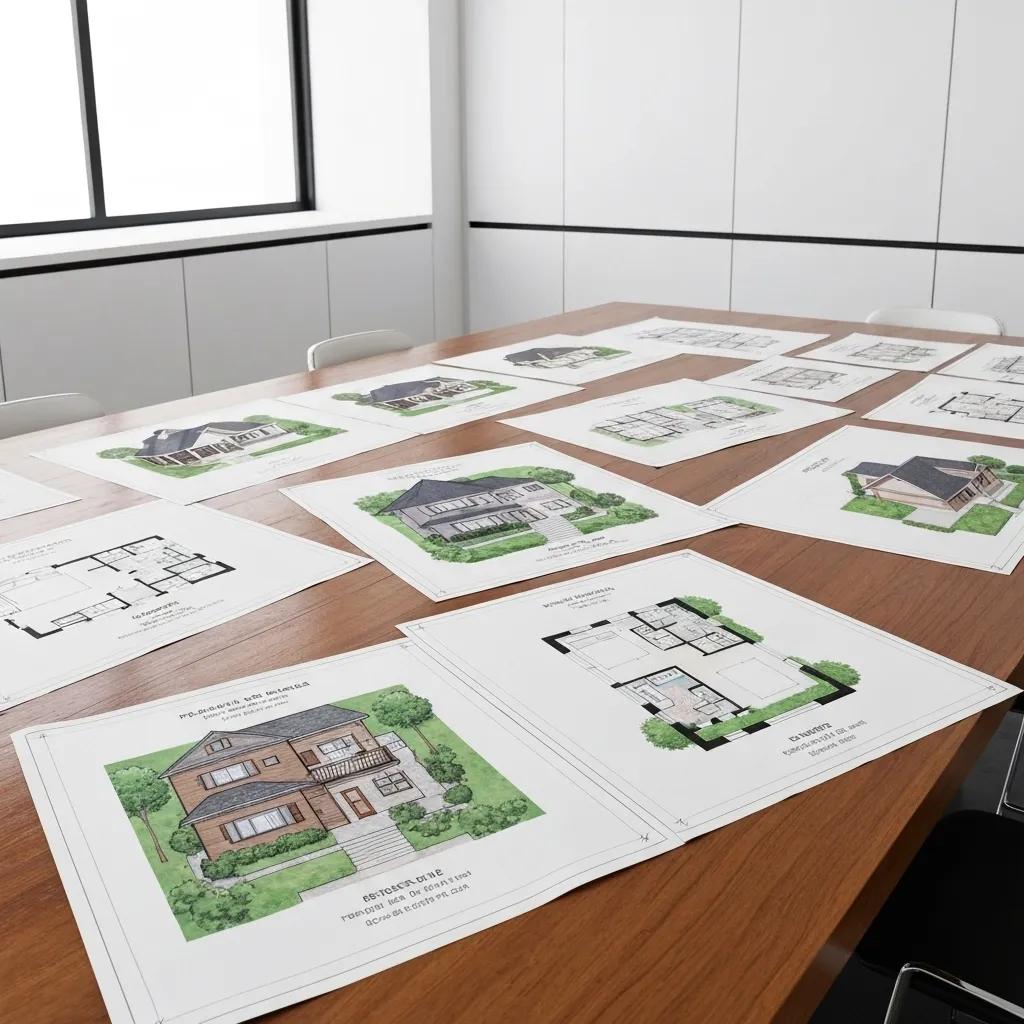
Pre-designed house plans balance cost-effectiveness with design limitation, making them ideal for buyers on tight schedules or budgets.
What Cost and Time Savings Do Pre-Designed Homes Offer?
Pre-designed options eliminate architectural drafting fees and shorten permitting cycles, often reducing design costs by up to 40%. Factory-built modules or stock plan approvals accelerate ground-breaking, enabling move-in within months rather than years.
Building a Pre-Designed Floor Plan vs. a Custom Home
Pre-designed floor plans are typically less expensive than custom homes because the design work has already been completed, and builders can more accurately price them.
This supports the article’s discussion of cost differences between custom and pre-designed homes.
What Limitations Exist in Customization and Site Adaptation?
Because stock plans follow generic site assumptions, adapting them to irregular lots may incur change-order fees or require structural re-engineering. Layout rigidity can force compromises on views, breezes, or room configurations that matter to the homeowner.
How Do Modular and Semi-Custom Homes Blend Custom and Pre-Designed Features?
Modular and semi-custom models offer a middle ground: they use standardized modules or stock plans as a base but allow finish selections, facade treatments, or minor footprint adjustments. This hybrid approach combines faster timelines with modest personalization.
How Do Custom and Pre-Designed Homes Compare: Cost, Timeline, and Resale Value?
Comparing cost ranges, project durations, and long-term market appeal helps buyers align their priorities.
Before diving into detailed analysis, here’s a summary of typical differences:
This comparison shows that while custom homes cost more and take longer, they often yield stronger market appeal.
What Are Typical Cost Differences Between Custom and Pre-Designed Homes?
Custom builds incur higher architectural, engineering, and specialized material fees, driving per-square-foot costs above stock options. Pre-designed and modular models capitalize on economies of scale, lowering both design and construction labor expenses.
Custom vs. Pre-Built Homes: Costs, Timelines & Options
Custom homes typically have higher costs due to land acquisition, design, and premium materials, while pre-built homes offer lower prices due to bulk construction and standardized designs.
This citation provides a cost comparison between custom and pre-designed homes, which is a key aspect of the article.
How Does Construction Timeline Vary Between These Options?
Stock plans and modular assemblies shave weeks off the schedule through rapid design approvals and factory-controlled workflows. Custom timelines extend due to iterative design reviews, site-specific engineering, and specialized craftsmanship.
Which Option Offers Better Resale Value and Market Appeal?
Unique architectural details and high-end finishes in custom homes consistently command buyer interest, yielding faster sales and price premiums. Pre-designed homes compete on affordability but seldom stand out in resale comparisons.
How Does Flexibility in Design Affect Long-Term Satisfaction?
Homeowners who select custom plans report greater satisfaction because their home evolves with family needs—such as adding accessory units or modifying floor plans—without major structural reworks that pre-designed layouts often require.
What Factors Should You Consider When Choosing Between Custom and Pre-Designed Floor Plans?
Selecting the right approach depends on budget, site, lifestyle, and project urgency.
How Does Your Budget Influence the Choice of Home Design?
A strict budget favors pre-designed or modular plans where cost predictability is essential. If financing allows variance for premium materials and design fees, a custom plan can integrate those investments into long-term home equity.
What Impact Do Lot Characteristics and Local Regulations Have?
Zoning rules, flood-zone maps, and HOA guidelines in Vero Beach and Indian River County dictate setbacks, height limits, and allowable footprints. Custom designs can navigate these constraints creatively, while stock plans may require costly adjustments.
How Should Lifestyle Needs and Future Plans Shape Your Decision?
Custom plans accommodate multi-generational living, home offices, or accessory dwelling units from the outset. Buyers with fixed short-term occupancy goals may choose pre-designed homes for faster delivery even if they lack future flexibility.
Why Is Timeline and Urgency Important in Your Home Building Process?
Seasonal construction cycles on the Treasure Coast, labor availability, and permitting lead times can influence whether a six-month modular build or an 18-month custom project meets your occupancy deadline.
Who Are the Leading Custom Home Builders in Vero Beach and the Treasure Coast?
Local expertise ensures designs respect coastal conditions, regional aesthetics, and permitting nuances.
What Makes Vero Beach Custom Home Builders Unique?
Builders here specialize in hurricane-resilient construction, salt-air-tolerant materials, and elevated foundations. Their familiarity with Treasure Coast soils and codes reduces approval delays.
Which Architectural Styles Are Popular in Vero Beach Custom Homes?
Mediterranean revival, modern coastal, and Florida ranch styles dominate. Blending stucco exteriors, metal roofs, and expansive lanais creates the hallmark coastal luxury that appeals to local buyers.
How Do Local Regulations Affect Custom Home Construction?
Indian River County enforces stringent flood-zone elevations, construction waste management, and storm-water retention standards. Experienced builders navigate permitting by submitting engineered site plans and pre-approving erosion controls.
What Are Current Housing Market Trends in Indian River County for Custom Builds?
Buyers’ market conditions in 2025—with median listing prices around $425K and an average 91 days on market—mean custom builders may offer incentives or upgrade allowances to maintain steady construction schedules.
For specialized New Home Construction, Ballard Custom Homes combines craftsmanship with design flexibility to deliver premium residences on the Treasure Coast.
Custom Home Builders Vero Beach Florida
Ballard Custom Homes specializes in creating high-quality custom homes in Vero Beach, Florida, reflecting the unique vision and lifestyle of each client.
This supports the article’s discussion of local custom home builders in Vero Beach.
How Are Modern Home Design Trends Shaping Custom Floor Plans in 2025?
Staying ahead of design movements helps future-proof your investment and lifestyle comfort.
What Are the Top Home Design Trends for 2025?
- Indoor-Outdoor Integration – Seamless transitions via retractable walls and covered entertaining spaces.
- Flexible Multi-Use Spaces – Rooms that convert from office to guest suite with modular partitions.
- Organic Modern Aesthetic – Curved forms, natural textures, and warm neutral palettes.
These trends reflect evolving household priorities for health, adaptability, and connection to nature.
Interior Design Trends 2025
Interior design trends for 2025 include a focus on casually comfortable furniture, organic modern aesthetics, and the integration of smart home technology.
This supports the article’s discussion of 2025 design trends.
How Is Smart Home Technology Integrated into Custom Designs?
Pre-wired networks, centralized control hubs, and built-in sensor arrays allow custom builders to embed smart lighting, climate control, and security systems into the infrastructure rather than retrofitting later.
What Sustainable and Energy-Efficient Features Are Gaining Popularity?
Solar-ready roofs, energy-recovery ventilation systems, and low-VOC finishes combine to yield homes that meet green building certifications and lower utility bills.
Which Luxury Features Enhance Custom Home Appeal?
Chef-grade kitchens, spa-inspired baths, rooftop terraces, and home theaters represent high-end elements that increase both enjoyment and resale premiums.
How Can 3D Floor Plans and Visualization Tools Improve Your Custom Home Design Experience?
Advanced visualization accelerates decision-making and reduces costly revisions.
What Are the Benefits of Using 3D Floor Plans in Home Design?
3D plans convey spatial relationships, scale, and finish details far more clearly than 2D sketches. Clients can virtually walk through layouts to confirm circulation patterns and sightlines before ground breaking.
How Do Virtual Tours Help in Decision-Making?
Interactive VR walkthroughs simulate furniture layouts, lighting conditions, and material palettes, giving homeowners confidence in design choices and reducing change-order requests.
What Tools Are Available for Visualizing Custom and Pre-Designed Floor Plans?
Popular software includes SketchUp, Revit, and Matterport VR tours. Many architects offer proprietary 3D platforms that integrate directly with building information modeling (BIM) systems for precise cost estimating.
What Are Common Questions About Custom vs. Pre-Designed Home Designs?
What Is the Difference Between a Custom Home and a Production Home?
A custom home is architect-driven with unique specifications for each client, whereas a production home follows a developer’s catalog of stock plans built multiple times in subdivisions.
Is Building a Custom Home More Expensive Than Choosing a Pre-Designed Option?
Yes, custom homes typically cost more due to individualized design fees and bespoke materials, but they often deliver higher long-term value through enhanced personalization and quality craftsmanship.
What Are the Benefits of a Custom Floor Plan for Vero Beach Homes?
Custom floor plans maximize coastal views, adapt to waterfront setbacks, and integrate hurricane-resistant detailing to suit Vero Beach’s unique environmental and regulatory conditions.
How Long Does It Take to Build a Custom Home Compared to a Pre-Designed One?
Custom projects span 9–18 months from design through completion, while pre-designed or modular homes can be ready in 5–12 months depending on permit speed and factory schedules.
What Are the Disadvantages of Pre-Designed Homes?
Pre-designed homes limit personalization, may not suit irregular lots, and often yield average resale performance compared with distinctive custom residences.
After construction, ensuring your new home is spotless and safe for move-in is critical. Freedom Cleaning Solutions specializes in commercial post-construction cleaning, providing detailed debris removal, fine dust extraction, and surface sanitization so homeowners can focus on furnishing their dream spaces without delay.
Design decisions made today shape the comfort, efficiency, and value of your home for decades. By weighing personalization benefits, cost considerations, local regulations, and modern trends, you can select the floor plan approach—custom or pre-designed—that aligns with your priorities. Whether embarking on a fully bespoke build or optimizing a proven stock plan, thorough planning and professional support set the stage for a home that truly reflects your needs and stands the test of time.