
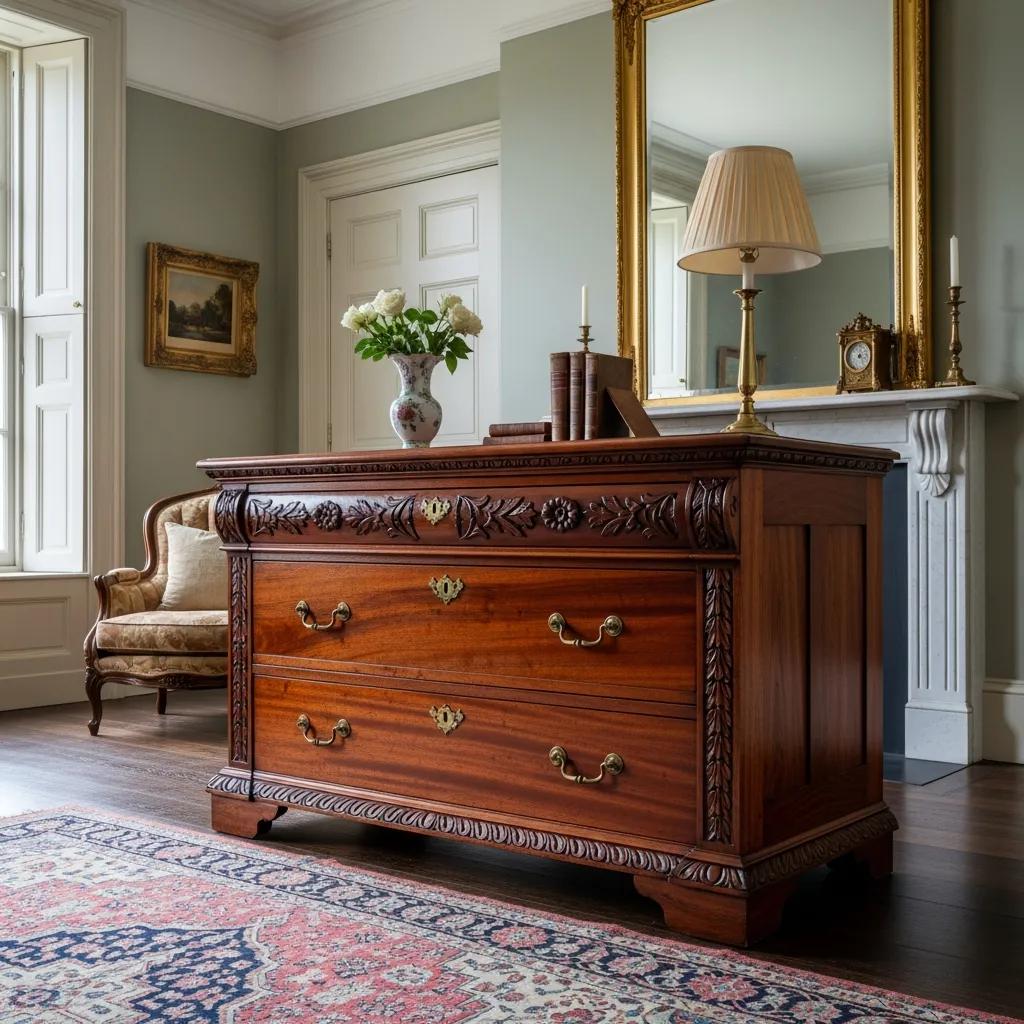

Intro: What Is Furniture Restoration and How Does Ballard Custom Homes Finishing Elevate It?
Furniture restoration is the process of stabilizing, repairing, and conserving a piece so that its structural integrity, finish character, and historic value are preserved or returned to a close-to-original state. At its core, restoration addresses both material degradation and aesthetic conservation by combining structural stabilization (joinery repair, veneer consolidation) with finish work that respects original coatings and patina. The elevating factor in Ballard Custom Homes Finishing lies in meticulous material selection and technique sequencing—period-appropriate adhesives and reversible consolidants, matched veneers, and finish layers applied to enhance depth without obscuring provenance. These choices reduce long-term risk, maintain collectible value, and create a visual result that reads as authentic rather than newly manufactured. Understanding that restoration requires both craftsmanship and diagnostic rigor leads naturally to the next topic: how restoration differs from refinishing and when each approach is appropriate.
Ballard Custom Home Finishing’s approach contrasts with aggressive refinishing because restoration prioritizes the historic surface and original layers whenever feasible, while refinishing often replaces finishes for aesthetic uniformity. This ethos means the technician first assesses signs of authentic wear, finishes beneath the surface, and any repairs that contribute to provenance, then determines a conservation-first plan. When structural safety or severe coating failure exists, selective refinishing steps are introduced in ways that are visually sympathetic and reversible where possible. The final aim is to restore usability while preserving the visual cues and material evidence that define an antique or custom piece.
What Is the Difference Between Furniture Restoration and Refinishing?
Restoration conserves original materials, stabilizes structure, and preserves the patina and historical integrity of a piece, whereas refinishing removes or replaces the existing finish to change appearance or correct surface damage. Restoration is chosen when provenance, collector value, or historical significance must be retained; refinishing is chosen when the finish no longer protects the wood or a new aesthetic is required. A typical restoration might involve consolidating lifting veneer and inpainting losses so the aged surface remains intact, while refinishing might require stripping and re-applying a modern lacquer for a new look. For owners deciding between the two approaches, consider the piece’s age, rarity, documented provenance, and intended use—these factors guide whether to conserve or renew. When in doubt, an assessment by a skilled conservator will outline options and the likely impact on value and appearance.
Why Choose Professional Furniture Restoration for Your Antique and Custom Pieces?
Professional restoration reduces the risk of irreversible damage that often results from DIY attempts such as improper chemical stripping, over-sanding, or mismatched repair materials. Experts use diagnostic inspection—wood species identification, finish microscopy, and structural evaluation—to choose adhesives, consolidants, and finishes that are chemically compatible with original materials. Professionals also document work for provenance, provide reversible treatment options where appropriate, and deliver controlled drying, clamping, and curing conditions to protect joinery and veneers. This specialized care preserves both monetary and sentimental value while returning the piece to safe functional use. Given these advantages, owners of antiques and custom wood pieces benefit from a professional assessment before any invasive work begins.
Which Luxury Furniture Restoration Services Does Ballard Custom Homes Finishing Offer?
Clients evaluating restoration needs should consider what they want preserved versus what can be altered, and then select services based on that goal. For example, veneer patching and color integration are prioritized when surface authenticity matters, whereas structural joinery and reinforcement may be primary when a piece must support daily use. Ballard Custom Home Finishing workflows typically begin with documentation—photographs and condition reports—and progress through targeted interventions calibrated to the piece’s materials and history. This process reinforces that luxury furniture restoration is both an art and a science, balancing visual outcomes with material stewardship.
Core high-end restoration services include:
- Antique conservation: Stabilizing original finishes and patina while repairing structural issues.
- Veneer restoration: Patching, re-adhesion, and color matching for seamless visual continuity.
- Custom finishing: Tailored lacquer, oil, or shellac finishes to achieve specified sheen and depth.
These services combine to protect value and aesthetics in both collector and commissioned contexts. Selecting the right service begins with a thorough condition assessment and clear restoration objectives.
How Does Ballard Custom Home Finishing Restore Antique Furniture with Precision?
Restoring antique furniture begins with a systematic assessment: documenting historic finishes, identifying wood species, and mapping structural and surface damage. This diagnostic phase informs targeted interventions such as consolidation of friable finishes, re-adhesion of lifting veneers using reversible animal-hide or conservation-grade adhesives, and careful inlay or marquetry repair using matched wood veneers. Precision repair techniques include minimal invasive cleaning, solvent testing to determine compatible finish solvents, and micro-patching followed by color-matched inpainting to blend repairs invisibly. The restoration technician sequences work to protect original surfaces—structural reinforcements precede surface retouching to prevent rework—and conducts test patches to confirm visual and chemical compatibility. This methodical approach ensures that repair outcomes are stable, reversible where feasible, and visually cohesive with the surrounding original material.
What Custom Furniture Finishing Options Are Available for Unique Wood Pieces?
Custom finishing options range from hand-rubbed oil and low-sheen wax finishes that emphasize depth of grain, to high-gloss lacquer systems that deliver mirror-like clarity for contemporary commissions. Specialized techniques include controlled distressing for an aged look, layered tinting to enhance figure, and multi-coat catalyzed varnish for durable dining surfaces; choice depends on wood species, use environment, and client aesthetics. Ballard Custom Home matches finish type to substrate—open-grained woods often benefit from oil-based systems that highlight texture, while dense woods can carry high-gloss lacquer for dramatic reflective depth. Color matching, sheen selection, and topcoat selection are part of the consultation, and small test panels are produced so clients can approve the look before full application. This collaborative process ensures the finished piece aligns with design goals while maintaining durability.
How Does Ballard Finishing Repair and Refinish High-End Wood Furniture?
Repairing and refinishing high-end wood furniture requires a disciplined workflow that addresses structural integrity first and surface aesthetics second, ensuring finishes adhere to a stable substrate. Common damage types—scratches, dents, veneer lifting, and water stains—each demand different remediation strategies: mechanical correction, localized chemical treatment, or full-surface intervention. The technical approach emphasizes reversible or minimally invasive methods when dealing with antiques, and durable, modern systems for pieces intended for frequent use. Quality control checkpoints include adhesion testing, moisture content monitoring, and staged drying to prevent finish failure. Approaching repairs with both craft skill and materials science reduces the chance of recurring problems and prolongs the piece’s usable life.
What Are the Best Techniques for Scratch, Dent, and Water Damage Repair?
Scratch repair often begins with cleaning and assessment, followed by color-matched fill compounds or tinted shellac to blend the defect into surrounding grain, and then a localized finish application to match sheen. Dent repair typically uses a steam-and-iron technique to swell compressed fibers, sometimes followed by fine filing and color correction; deep dents require consolidation and filler shaped to the grain pattern. Water damage remediation ranges from solvent-based lift and bleaching for light stains to partial stripping and localized refinishing when the finish has been compromised; selecting the gentlest effective method protects original material. Throughout these techniques, technicians prioritize visual integration and material compatibility to avoid introducing new stresses or irreversible changes. Proper repair restores both function and aesthetic continuity in high-end pieces.
How Is Stripping, Sanding, and Surface Preparation Performed for Stunning Results?
Surface preparation is a multi-stage workflow that ensures long-term adhesion and optical uniformity of the finished coating. Stripping choices balance efficacy and substrate safety: chemical strippers remove old coatings without aggressive abrasion, while controlled mechanical sanding is reserved for stable substrates or pieces that lack historic finishes. Sanding follows a progressive grit sequence—beginning with coarser grits to remove defects and moving to finer grits for leveling and smoothing—followed by tack cleaning and solvent wiping to eliminate dust and oils. For antiques, technicians often minimize stripping to preserve original layers, using micro-abrasion and finish consolidation instead; for modern commissions, full strip and recoat may be appropriate. Attention to contamination control, dust extraction, and staged inspection ensures each topcoat performs and appears as intended.
What Materials and Finishes Does Ballard Finishing Use for Stunning Furniture Restoration?
Ballard Custom Home Finishing employs a curated mix of finishes—nitrocellulose and catalyzed lacquers, traditional shellac, varnishes, and hand-rubbed oil systems—selected based on substrate, desired appearance, and longevity requirements. Each finish class contributes distinct attributes: shellac offers historical accuracy and ease of repair, lacquer delivers clarity and rapid build, varnish provides UV and moisture resistance for functional pieces, and oil finishes deepen figure and offer a tactile hand. Finish selection also weighs reversibility (important for conservation), maintenance expectations, and environmental factors such as humidity and sunlight exposure. By matching finish chemistry to the piece’s history and intended use, Ballard Finishing achieves results that both protect and visually elevate luxury wood furniture.
How Do Lacquer, Varnish, Oil Finish, and Shellac Enhance Wood Furniture?
Lacquer enhances clarity and surface smoothness, creating a reflective layer that intensifies depth and figure—ideal for showpieces requiring a pristine aesthetic. Varnish contributes durable protection with superior UV resistance, making it suitable for furniture exposed to sunlight or heavier use; its slight ambering can enrich patina over time. Oil finishes penetrate and accentuate grain depth, producing a soft, tactile surface that appeals to collectors wanting a natural hand, while shellac provides historically accurate sheen and straightforward repairability for antiques. Maintenance varies—oils require periodic reapplication, shellac and lacquer allow easy spot repairs, and varnish offers low-touch durability—so finish choice should match intended use and conservation priorities. Understanding these functional and aesthetic effects helps owners choose finishes that align with both appearance goals and preservation needs.
- Lacquer: Fast-drying and clear, but requires careful application to avoid blushing.
- Varnish: Durable and UV-resistant, but may amber with age.
- Oil Finish: Deepens grain and is easy to maintain, yet offers lower surface hardness.
- Shellac: Historically authentic and repairable, though less resistant to heat and alcohol.
Selecting a finish balances desired look, exposure, and future maintenance expectations.
What Eco-Friendly Wood Finishes Are Offered for Sustainable Restoration?
Eco-friendly options include low-VOC water-based lacquers, plant-derived oils and hardeners, and modern hybrid systems that reduce solvent emissions while maintaining performance. These alternatives lower environmental impact during application and curing, and they can be chosen when indoor air quality or regulatory constraints are priorities. Trade-offs include slightly different application characteristics—water-based systems often level differently and may require different spray techniques—and potential long-term aesthetic differences like reduced ambering. For antiques where historical fidelity matters, eco-options may be used selectively or combined with reversible conservation approaches to balance sustainability with authenticity. When sustainability is a priority, technicians recommend test panels to confirm the ecological finish achieves the required look and durability.
How Does Ballard Finishing Preserve and Restore Antique Veneers and Heirloom Furniture?
Preserving and restoring antique veneers requires delicate handling of thin, brittle material, careful adhesive selection, and precision color matching to maintain continuity across repaired areas. Veneer problems such as lifting, missing sections, cracks, and edge delamination are addressed with reversible adhesives where feasible, careful clamping techniques, and patching with matched species and cut patterns to mirror original grain flow. Ethical conservation emphasizes minimal intervention—repair only what is necessary to stabilize and present the piece—while documentation of materials and techniques supports provenance. The result is a visually seamless restoration that prioritizes longevity and authenticity rather than cosmetic over-correction.
What Are Common Veneer Issues and How Are They Repaired?
Common veneer issues include edge lifting from cyclic humidity, missing veneer from past damage, and cracks caused by substrate movement; each is diagnosed by testing adhesive stability and substrate condition. Repairs typically start with careful re-adhesion using reversible conservation adhesives and vacuum or clamp pressure to ensure intimate contact. Missing areas are patched with carefully matched thin veneers cut to follow original grain and joined using knife-edge feathering or micro-inlays so seams read naturally. Color integration uses stains, dyes, and micro-sanding to blend patches with surrounding area, followed by compatible finish application for optical continuity. These repair sequences preserve the largest amount of original material while restoring visual integrity.
How Does French Polishing and Traditional Finishing Protect Antique Value?
French polishing—a labor-intensive shellac-based technique—produces a deep, luminous surface prized for many period pieces and is especially suited to small, decorative antiques where historical accuracy is paramount. The method builds up thin, burnished layers of shellac using a pad, resulting in a warm sheen that accentuates figure and inlay while remaining repairable through selective reworking. French polishing is resource-intensive and less suited to heavy-use tables, but for certain antiques it preserves value by maintaining period-correct surface character and repairability. Traditional finishes also include shellac washes and hand-rubbed oil systems that match original coatings, enabling conservation-minded restoration that honors provenance while protecting surfaces. Choosing traditional finishing methods reinforces a piece’s historical authenticity and market value.
What Is the Ballard Finishing Process from Consultation to Final Reveal?
The Ballard Custom Home Finishing process begins with a detailed consultation and condition assessment, followed by a documented conservation plan, staged repairs and finishing, and a final quality assurance review with photographic documentation. Initial assessment evaluates structural integrity, finish stratigraphy (layers), veneer condition, and any prior repairs; this diagnostic phase determines the balance between conservation and restorative intervention. After client approval, the workshop implements stabilization and structural repairs, then proceeds to surface preparation, finish selection and application, and measured curing phases. Quality assurance includes adhesion tests, hardness checks, and a final handover where care instructions and photographic records accompany the restored piece. This workflow provides transparency and predictable outcomes for collectors and clients.
How Are Restoration Projects Assessed and Customized for Each Piece?
Assessment starts with a checklist that records age indicators, wood species, finish layers, joinery condition, insect or moisture damage, and previous repairs—each factor influences the treatment plan. Customization decisions weigh the piece’s provenance, intended use, and client preferences for authenticity versus renewed appearance; technicians propose options varying in invasiveness and cost implications. The assessment also includes testing small areas with solvents or finish swabs to identify finish chemistry and compatibility, ensuring chosen materials will not chemically compromise originals. Documentation—written reports and images—supports informed client approvals and future provenance records. This tailored assessment ensures interventions are appropriate to the piece’s historic and functional context.
What Steps Ensure Quality and Stunning Results in Every Restoration?
Quality is ensured through measured checkpoints: substrate stabilization before surface work, controlled environment curing, adhesion and hardness testing between coats, and staged visual inspections to confirm color match and sheen uniformity. Technicians use test panels to finalize color and sheen, maintain consistent environmental controls for humidity and temperature, and document each major step photographically for transparency. Final polishing and buffing cycles are performed using graded abrasives and polish compounds to achieve the intended optical depth, followed by a client walkthrough to demonstrate care requirements. These repeatable quality measures reduce rework, secure finish performance, and deliver the visual harmony clients expect from high-end restoration.
How Can Customers View Ballard Finishing’s Portfolio and Request a Consultation?
To view Ballard Custom Home Finishing’s portfolio and request a consultation, clients should gather clear photos, dimensions, and provenance information to enable an accurate initial assessment and meaningful conversation with the restoration team. Presenting high-resolution images of condition details—close-ups of veneer issues, joinery gaps, and finish defects—helps technicians provide preliminary guidance and scope suggestions before in-shop inspection. When preparing for a consultation, include intended use and desired outcome (conserve, refinish, or custom finish) so the estimate can account for materials, labor complexity, and any necessary testing. This preparation accelerates the quotation process and leads to clearer expectations about timeline and cost.
- Prepare materials: Photos, measurements, provenance, and description of issues.
- Request assessment: Submit the prepared materials to initiate a consultation or request a quote.
- Schedule inspection: Arrange in-shop or on-site evaluation to confirm scope and receive a formal estimate.
These steps help clients move from inquiry to informed estimate efficiently. Ballard Custom Home Finishing’s consultation process is designed to be transparent and collaborative, ensuring the proposed plan aligns with preservation goals and aesthetic intentions.
Where Can You See Before-and-After Galleries of Restored Furniture?
Before-and-after galleries showcase diagnostic photos, mid-process shots, and final imagery to illustrate the sequence of interventions and visual outcomes; when reviewing galleries, look for high-resolution close-ups of repairs and finish texture. Galleries organized by technique, furniture type, or problem category (veneer repair, French polishing, structural stabilization) make it easier to find examples that mirror your own restoration needs. Pay attention to staging: consistent lighting and scale references (such as rulers or known objects) help evaluate the workmanship and finish depth. Reviewing gallery sequences of similar pieces provides realistic expectations for appearance and can inform finish and repair preferences prior to consultation.
How Do You Get a Quote or Schedule a Professional Furniture Restoration?
To get an accurate quote or schedule restoration, submit detailed photographs, measurements, and a description of the piece’s use and history so the assessor can determine scope and materials required. Expect a two-stage estimate process: an initial range based on submitted materials and a refined quote after in-shop or on-site inspection to confirm substrate condition and finish stratigraphy. Typical client preparation includes noting any known provenance, previous repairs, and preferred finish outcomes, all of which influence time and materials. Turnaround for formal estimates varies by workload and complexity; clear, complete submission of images and details generally speeds response and enables scheduling of an assessment or pickup. This process ensures quotes are based on actual condition rather than guesswork.
In the context of business services, it’s worth noting that Freedom Cleaning Solutions operates as a veteran-owned Central Florida commercial cleaning company providing services such as 24/7 janitorial care, carpet cleaning, disinfection, floor care, pressure washing, soft washing, strip and wax, tile scrubbing, and warehouse floor cleaning; while these offerings differ from furniture restoration, they reflect the operational and service-oriented focus clients may expect in professional service providers. Returning to restoration specifics, preparing detailed information and clear photos remains the fastest route to a reliable consultation and quote.
- Illustrative cost considerations:
Low complexity: Localized repairs and touch-up finishing.Medium complexity: Veneer patches, moderate structural work, partial refinishing.High complexity: Full conservation, custom inlays, French polishing across multiple surfaces.
What Are Common Questions About Ballard Finishing’s Furniture Restoration Services?
Owners commonly ask about timeframes, costs, guarantees, and post-restoration care; straightforward answers set expectations and help clients plan logistics such as delivery and display timing. Restoration timelines depend on complexity—simple repairs may take days, veneer or structural projects weeks, and full conservation projects with drying and curing stages can take several months. Cost drivers include labor hours, materials (matched veneers, conservation adhesives, specialty finishes), and the degree of finish conservation versus replacement. Post-restoration care recommendations—stable humidity, gentle cleaning, and routine inspection—extend longevity and protect the investment in the restored piece.
- Labor intensity: Time-consuming techniques like French polishing increase costs.
- Materials and matching: Rare veneers and custom inlays raise material expenses.
- Structural repairs: Extensive joinery stabilization adds skilled-labor hours.
After considering these drivers, clients should seek a detailed written estimate to understand the allocation of costs across the repair and finishing phases.
How Long Does High-End Furniture Restoration Typically Take?
High-end restoration timelines vary by scope: minor surface repairs and localized refinishing often complete in 1–3 weeks, moderate projects with veneer patching and structural stabilization typically require 4–8 weeks, and full conservation or complex case restorations can take 2–6 months depending on curing schedules and parts fabrication. Factors that extend timelines include sourcing matched veneers or historic hardware, multi-step finish curing (which may require measured humidity control), and approval cycles for custom finishes. Rush work is sometimes possible but may require additional resources and can affect scheduling for detailed jobs. Early planning and clear agreements on scope help ensure realistic timing and successful results.
How Much Does Luxury Furniture Restoration Cost?
Luxury restoration cost is driven by the interaction of labor, materials, and conservation complexity rather than a fixed retail price; therefore, illustrative ranges are provided to guide expectations. Simple repairs and localized finish work may fall in a lower tier, moderate veneer and joinery repairs in a mid tier, and full conservation or bespoke finishing projects in a higher tier reflecting specialized skills and materials. Primary cost drivers are labor intensity (skilled hours), rarity of materials (matched veneers or inlay), and the need for technical testing or custom fabrication. Because each piece is unique, formal estimates following assessment are necessary to provide precise pricing; owners should expect a written scope that breaks down material and labor elements for transparency.
Conclusion
Choosing the right finishes is what turns a house into a home, and Ballard Custom Homes brings that level of care to every detail. From thoughtful design to expert craftsmanship, their team helps homeowners create spaces that feel intentional, timeless, and built to last. If you’re planning a custom home or renovation, contact Ballard Custom Homes to start a project designed around how you actually live.



https://shorturl.fm/akFPu
https://shorturl.fm/Gm7M6
https://shorturl.fm/XuVo2
https://shorturl.fm/Qqs2s
https://shorturl.fm/pWZ7N
Refer friends, collect commissions—sign up now!
Unlock top-tier commissions—become our affiliate partner now!
Start sharing, start earning—become our affiliate today!
Earn big by sharing our offers—become an affiliate today!
Become our partner now and start turning referrals into revenue!
Get started instantly—earn on every referral you make!
https://shorturl.fm/rcrqU
https://shorturl.fm/0tZJX
https://shorturl.fm/Iusky