
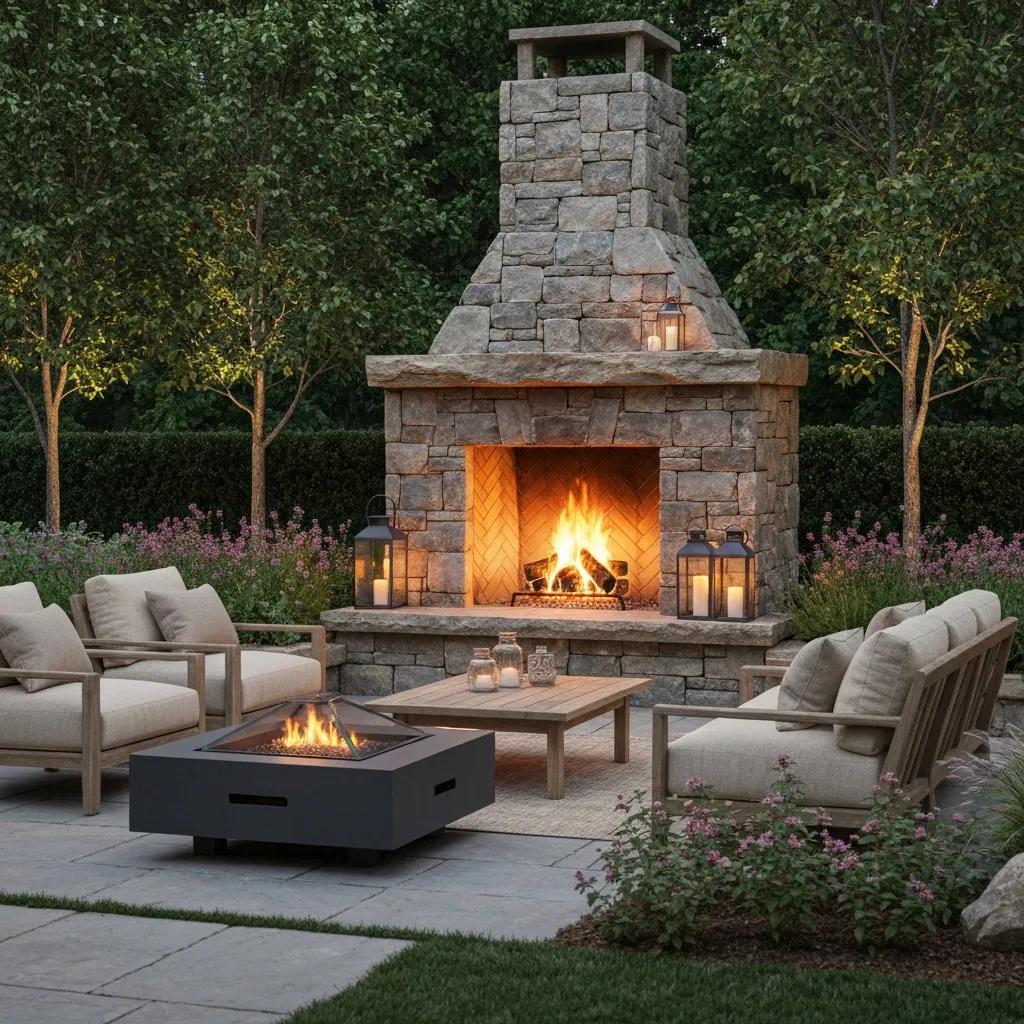

Ballard custom outdoor living design creates purpose-built exterior spaces that function as true extensions of the home, combining durable materials, thoughtful circulation, and integrated amenities to elevate lifestyle and resale value. This article explains how Ballard-style outdoor living blends landscape architecture, hardscape construction, and outdoor kitchen design to create cohesive luxury backyard renovations, and it shows practical decision frameworks for materials, lighting, fire features, water elements, and project timelines. Homeowners wrestling with limited usable outdoor space, unpredictable material longevity, or unclear contractor communication will find concrete guidance on how to plan, budget, and sequence a successful project. Readers will learn the key benefits of custom outdoor living, step-by-step outdoor kitchen design, comparative patio and deck options, the role of fire and water features, smart lighting and entertainment integration, and realistic planning and quality assurance expectations. Throughout the guide we use contemporary design language and regional considerations for Ballard-area installations to help you make durable, maintainable choices that maximize lifestyle and ROI. The following sections provide specific checklists, comparison tables, and decision frameworks designed to support both initial inspiration and the detailed conversations you’ll need during design and construction.
What Are the Key Benefits of Ballard Custom Outdoor Living Design?
Ballard custom outdoor living design delivers measurable lifestyle and financial benefits by converting underused yard space into functional living zones, which increases usable square footage and buyer appeal. This approach works because it combines landscape architecture, durable hardscapes, and purpose-driven amenities—like outdoor kitchens and fire features—so the space supports entertaining, daily family use, and low-maintenance operation. The primary value comes from extended living seasons, enhanced curb-to-backyard flow, and improvements that prospective buyers readily recognize as added utility. Practical examples include a backyard programmed with distinct dining, cooking, and lounging zones that improve circulation and reduce friction during gatherings. These practical benefits transition directly into design decisions about layout, materials, and feature selection that we’ll explore next.
Ballard custom outdoor living frequently yields improved marketability and measurable ROI when features are tailored to local buyer preferences and climate resilience. The right combination of outdoor kitchen, covered dining, and integrated lighting can increase perceived square footage and justify higher asking prices for sellers. To make these benefits tangible, designers track material longevity, maintenance schedules, and energy savings from efficient lighting systems, which informs both initial budgets and long-term ownership costs. Next, we’ll outline the core use-cases and specific lifestyle improvements that typically drive homeowner priorities.
The concept of the outdoor kitchen as a defining feature of luxury homes has been evolving for some time, becoming a standard element in upscale residences.
The Rise of the Outdoor Kitchen: Luxury Backyard Design
Chief among their architectural and interior design modifications is the so-called ‘outdoor kitchen,’ installed in over a million American households and projected to become a stock feature of all upscale housing by 2015. In definition, it is an amorphous, wall-less room with individually determined dimensions, appliances and functionalities sited in what one owner-designer identifies as the previously underutilised space of the backyard. Currently free of restricting code or traditions, the outdoor kitchen is determined by and gives form to diverse but intersecting discourses of Do-It-Yourself home projects, home spas and meditative spaces, the yearning for resorts left unvisited in the wak
Ballard outdoor living supports everyday wellbeing and social connection by providing safe, comfortable outdoor environments where families cook, relax, and entertain year-round. Thoughtful shading, layered lighting, and programmable smart controls reduce barriers to use and help homeowners get more hours of enjoyment from their yards. These experiential advantages often shape feature priorities—homeowners who host frequently prioritize outdoor kitchens and covered dining, while others focus on quiet garden rooms and water features. Understanding these use-cases leads into vendor selection and what to look for when choosing a builder for a comprehensive backyard renovation.
Ballard-style projects emphasize customization and craftsmanship as a way to avoid generic, short-lived installations that require frequent replacement. Quality material selection, attention to drainage and load-bearing details, and tested construction sequencing reduce lifecycle costs and unexpected repairs. When comparing providers, request documented material specifications, example timelines, and references to verify that proposed solutions will perform as designed. Exploring these vendor-differentiating criteria reveals how to select partners who can translate lifestyle goals into durable outdoor environments.
Ballard outdoor living balances high-impact focal features with low-maintenance supporting systems—such as native planting and efficient irrigation—to create sustainable landscapes that look intentional without demanding excessive upkeep. This balance preserves the aesthetic appeal while reducing the long-term operational burden on homeowners. The next section explains how those functional priorities inform the layout and component choices for a custom outdoor kitchen, which is often the central hub of a Ballard backyard.
Ballard outdoor living design delivers several repeatable measurable benefits:
- Increased usable living area and buyer appeal that support resale value.
- Extended seasonal use through heating, shelter, and layered lighting.
- Focused functionality—outdoor kitchens, seating zones, and circulation—for effortless entertaining.
- Lower long-term maintenance through climate-appropriate materials and native planting.
How Does Outdoor Living Enhance Your Home’s Value and Lifestyle?
Outdoor living enhances home value by adding functional, programmatic space that buyers perceive as equivalent to interior square footage when features are well-executed and climate-appropriate. The mechanism is straightforward: a designed outdoor kitchen and covered dining area extend living patterns outdoors, effectively increasing usable living area and improving flow between interior and exterior spaces. Examples include transitions from kitchen to patio that create seamless hosting workflows and poolside lounge areas that multiply recreational uses. Quantifying the uplift depends on local market conditions, but the core principle—well-integrated outdoor amenities reduce friction and increase appeal—remains consistent. Understanding these valuation pathways helps homeowners prioritize features that deliver both daily enjoyment and long-term value.
Why Choose Ballard Custom Homes for Your Outdoor Living Space?
Choosing a Ballard-focused custom approach emphasizes an integrated workflow where landscape architecture, structural hardscapes, and outdoor appliances are planned together rather than as disconnected add-ons. This coordination reduces rework, ensures compatible material choices, and improves utility routing for gas, water, and electrical services—all of which directly influence durability and user experience. Look for providers who articulate clear decision milestones, present material sample boards, and demonstrate familiarity with local permitting and inspection norms. Transparency about change orders and inspection checkpoints builds trust and reduces homeowner anxiety during construction. This vendor-selection guidance prepares you to move into the technical design of an outdoor kitchen with confidence.
How Do You Design a Custom Outdoor Kitchen with Ballard Outdoor Living?
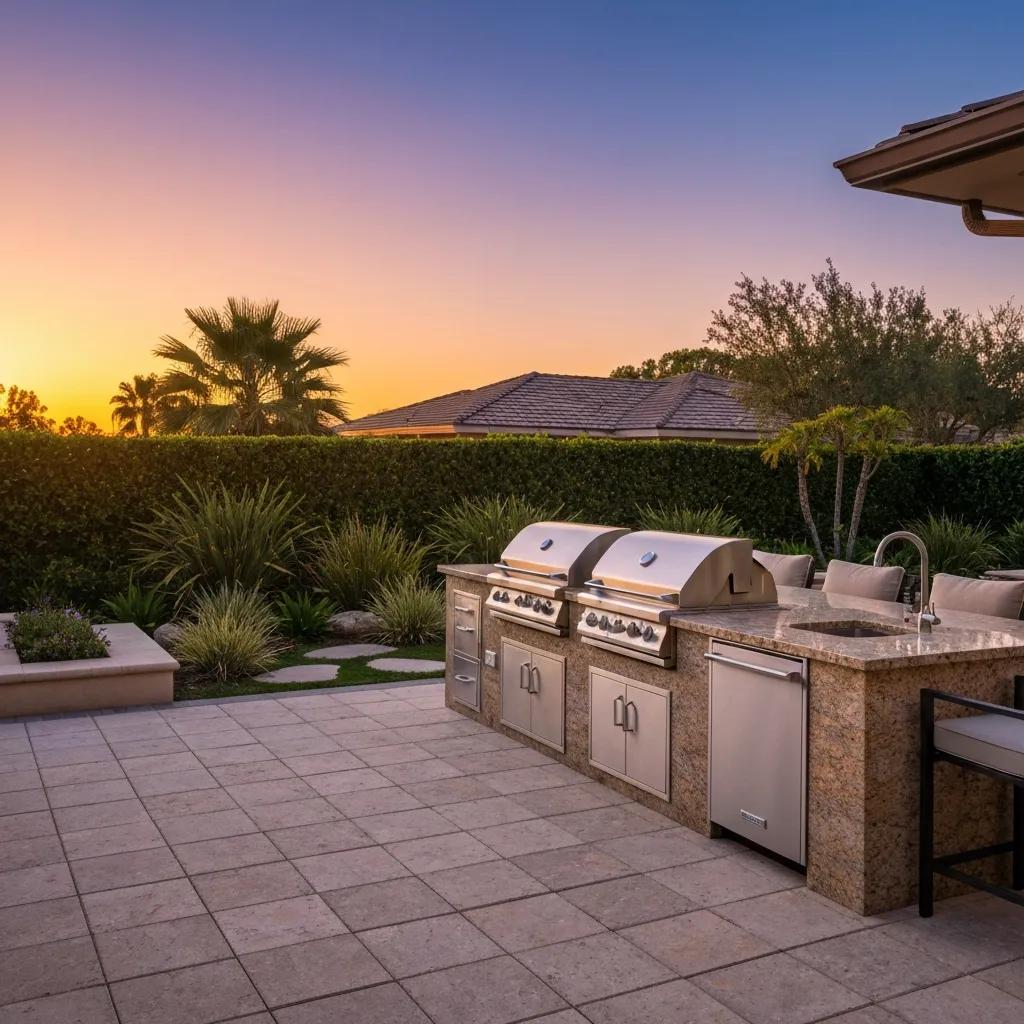
Designing an outdoor kitchen with Ballard outdoor living begins with a site assessment, functional zoning, and establishing the primary workflows for food preparation and service. The definition and mechanism are simple: assess sun, prevailing winds, access to utilities, and desired sight-lines to configure cooking, prep, and seating zones that minimize cross-traffic and maximize comfort. The primary benefit is an efficient culinary layout that allows cooks to work outdoors without compromising on storage, ventilation, or appliance durability. Commonly, designs adapt the indoor kitchen triangle—cooking, prep, and cleanup—to an exterior layout and then layer in weather protection and equipment ratings. These initial decisions set the stage for choosing appliances, countertops, and cabinetry suitable for long-term outdoor exposure.
When selecting components, prioritize weather-rated appliances, corrosion-resistant finishes, and easy-to-clean surfaces to reduce lifecycle costs and downtime. The following table compares core outdoor kitchen components across material, durability, maintenance, and typical price range to help you weigh trade-offs before finalizing selections.
This component comparison clarifies how materials and appliance ratings influence maintenance and cost decisions.
Design steps typically unfold in a sequence that moves from site analysis into detailed appliance and finish selections, followed by utility planning and final layout sign-off. Practical considerations include ventilation pathways for gas equipment, slope and drainage for counters and floors, and the placement of outdoor refrigeration to avoid direct sun exposure. Including shelter elements—pergolas or full roofs—helps protect equipment and improve year-round usability. This functional design perspective leads naturally into a closer look at the essential components and their roles.
- Site Assessment: Evaluate sun, wind, and circulation to determine the best placement for cooking and dining.
- Zoning and Workflow: Arrange cooking, prep, and seating to minimize movement and keep guests comfortable.
- Utility Access: Verify gas, water, electrical routing options and plan for ventilation and drainage.
- Material Selection: Choose weather-rated appliances, durable countertops, and corrosion-resistant cabinetry.
These steps prepare you to select the precise components that make outdoor cooking practical and enjoyable; the next subsection breaks down those components in more detail.
What Are the Essential Components of an Outdoor Kitchen Design?
An essential outdoor kitchen includes a cooking appliance (grill or range), durable prep surfaces, weather-rated storage, and utility access for gas, water, and electricity to support refrigeration and lighting. The mechanism that makes these elements work together is clear zoning: cook, prep, cleanup, and serve areas arranged to reduce crossing paths while keeping service lines short. Practical examples include a built-in stainless grill flanked by granite countertops and a sink aligned near a compact under-counter refrigerator for staging salads and chilled beverages. Extra features—like dedicated trash pullouts, access panels for service, and protective overhangs—preserve functionality and simplify maintenance. Carefully planning these components lets you maintain a high level of culinary performance outdoors without compromising on durability.
What Materials and Finishes Are Best for Durable Outdoor Kitchens?
Durability in outdoor kitchens depends on selecting materials that tolerate moisture, UV exposure, temperature shifts, and occasional impact while remaining easy to clean and maintain. Granite and porcelain counters resist staining and thermal shock better than untreated concrete, while marine-grade stainless-steel appliances and polymer or stainless storage cabinets avoid rot and corrosion. Finish choices influence both longevity and aesthetics: honed stone presents a warm, natural look, whereas compact porcelain can mimic natural materials with less maintenance. Consider maintenance routines when choosing materials—some surfaces require resealing, others are essentially maintenance-free—and align selections to how the space will be used. These material choices influence both immediate user experience and long-term ownership costs, which brings us to comparative hardscape options that frame the kitchen area.
Intro to materials list: Key material trade-offs are summarized to guide finish decisions.
- Granite Countertops: Durable and heat-resistant; moderate maintenance with periodic sealing.
- Porcelain Slabs: Low-porosity, stain-resistant; minimal maintenance.
- Marine-Grade Stainless Appliances: High corrosion resistance; premium cost.
- Polymer Cabinetry: Rot-proof and low maintenance; broad color choices.
Summarizing the material strategy: prioritize outdoor-rated appliances, low-porosity counters, and storage systems designed for wet environments to reduce long-term maintenance and protect your investment.
What Are the Top Patio and Deck Options Offered by Ballard Outdoor Living?
Top patio and deck options for Ballard custom outdoor living include interlocking paver patios, stamped or colored concrete, natural stone terraces, and composite decking systems for elevated structures. Each option functions differently in terms of drainage, load capacity, maintenance, and visual character, so the decision mechanism centers on site constraints and intended use: heavy dining and cooking zones favor durable pavers or stone, while lightweight lounging decks can use composite materials. The primary benefit of matching material to use-case is longer performance life and fewer unexpected repairs. Project aesthetics and budget both influence these trade-offs; the table below compares materials across durability, maintenance, longevity, and typical use-cases to support selection.
Intro to patio/deck comparison table: Use this EAV-style table to compare common surfacing options and match them to your program and budget.
This comparison helps you balance visual goals with lifecycle and maintenance expectations.
- Load & Use: Select pavers or stone for heavy cook-and-dine zones; use composite decking for raised lounging areas.
- Drainage & Slope: Use permeable pavers or engineered bases where drainage control is critical.
- Maintenance Preference: Choose composite decking and porcelain for low-maintenance expectations.
- Aesthetic Goal: Select natural stone or stamped concrete to achieve particular textures and color palettes.
These criteria guide an informed choice between hardscape options; the next subsection outlines popular design templates that help integrate these surfaces into a cohesive luxury backyard renovation.
How Do You Choose Between Paver Patios and Composite Decks?
Choosing between paver patios and composite decks begins with assessing grade, intended furniture and equipment loads, and the desired visual connection to the house. Pavers provide strong compressive strength and easy localized repair, making them suitable for heavy outdoor kitchens and dining areas, while composite decking is the better option for elevated platforms where rot-resistance and consistent board appearance matter. Consider drainage paths—pavers installed on proper base layers provide permeability options and straightforward slope management—whereas decking requires correctly sized joists and ventilation underneath to prevent moisture issues. Budget is another driver: high-end natural stone can be costlier up front, while composite boards may offer savings in maintenance over time. Balancing these trade-offs lets you choose the durable surface best aligned with your program and maintenance tolerance.
What Are Popular Patio and Deck Designs for Luxury Backyard Renovations?
Popular luxury designs combine multiple surface types into distinct living zones—dining terraces anchored with natural stone, adjoining low-maintenance composite decks for lounging, and transition pavers for circulation paths. These multi-zone templates emphasize clear sight-lines, material transitions that read as intentional, and integrated seating or planting beds that soften hard edges. For example, a multi-level layout may place an intimate fire-pit lounge at a lower grade and a connected elevated dining deck with an outdoor kitchen above, creating separation without isolation. Designers often coordinate color palettes across materials to maintain cohesiveness and reduce visual clutter. These design patterns help homeowners think in systems rather than single-feature items, leading into how fire features can be integrated as focal points.
How Can Outdoor Fireplaces and Fire Pits Transform Your Backyard Experience?
Outdoor fireplaces and fire pits act as social anchors and ambient lighting sources that extend usable seasons, create mood, and define seating arrangements in Ballard outdoor living designs. The mechanism by which they transform a space is both physical—providing radiant heat and light—and psychological—creating a gathering focal point that encourages longer stays outdoors. Fire features also enable evening programming, structured conversation zones, and dramatic focal elements in landscape composition. Selecting the right type and fuel option impacts maintenance needs and permitting, so those decisions should be made early in the design process. Next, we’ll outline common fire feature types and typical design approaches.
- Portable Fire Bowls: Flexible placement and low installation cost; ideal for temporary or staged layouts.
- Built-In Fire Pits: Durable, often island-centered, and can be integrated with seating and counters.
- Masonry Fireplaces: Permanent, visually substantial focal points that require foundations and venting.
- Gas vs Wood Fuel: Gas for convenience and control, wood for ambiance and traditional experience.
These options orient homeowners toward the right scale and operational model for their yard; the following subsection profiles common fire feature types and recommended use-cases.
What Types of Outdoor Fire Features Does Ballard Custom Homes Build?
Ballard-style builders commonly offer a range of fire features including built-in island fire pits integrated into hardscape seating, freestanding gas burners set into custom tables, and full masonry fireplaces that anchor outdoor living rooms. Each type requires different foundational and utility provisions: built-in pits and fireplaces need appropriate combustion clearances and, when gas-fueled, correctly installed piping and shutoffs; wood-burning fireplaces demand chimneys or engineered ventilation and additional maintenance. Material choices—stone veneer, weather-resistant tile, or concrete—determine aesthetic character and heat tolerance. Selecting the appropriate feature should reflect both programmatic goals (e.g., dining vs lounging) and maintenance appetite. These distinctions set up considerations for how fire features support year-round use and atmosphere in the backyard.
How Do Fireplaces Enhance Outdoor Living Spaces for Year-Round Use?
Fireplaces and fire pits extend seasonal usability by providing radiant heat that prolongs comfortable outdoor hours into cooler months and at dusk, enabling activities like warm-weather dining, late-night conversations, and quiet reading nooks. The mechanism is straightforward: targeted radiant heat creates microclimates that allow seating areas to be used beyond typical warm-season windows. Designers also leverage firelight as a soft, dynamic light source that reduces reliance on electrical lighting and creates compelling night-time ambiance. To optimize placement, pair fire features with appropriate seating geometry and wind mitigation elements to maximize comfort and safety. These design choices naturally segue into landscape integration—planting, water features, and sustainable approaches—that complement outdoor living installations.
What Landscape Design and Water Features Complement Ballard Outdoor Living Spaces?
Landscape design and water features amplify the sensory and functional qualities of Ballard outdoor living by providing textural contrast, acoustic buffering, and habitat value while controlling microclimates around primary living zones. The mechanism relies on combining native planting that reduces irrigation demand with water elements that provide sound and visual movement to soften hardscape edges. Key benefits include lower maintenance needs, seasonal interest, and biodiversity support when native species and efficient irrigation are prioritized. Designers balance these elements with hardscapes to create cohesive compositions that age gracefully. The next subsection explains why native planting is a critical strategy for climate-appropriate, low-maintenance landscapes.
Landscape strategies that prioritize natives and drought-tolerant species reduce water and care inputs and support local pollinators and resilient plant communities. Native planting reduces stress on irrigation systems and decreases the need for fertilizers or pest controls, which lowers operational costs and environmental impact. Integrating layered plantings—groundcover, perennials, shrubs, and specimen trees—creates habitat complexity and visual depth, while carefully selected species can also provide seasonal color and screening where needed. These ecological benefits inform water feature choices and maintenance planning, which we’ll examine in the following subsection.
A variety of water features—from reflective fountains to engineered recirculating waterfalls and integrated pool edges—can serve as focal points and create ambient sound masking for urban properties. The right scale is essential: small scale reflective pools are low-maintenance and add sophistication, while waterfalls and ponds require more mechanical systems and maintenance planning. Incorporating accessible service points, skimmers, and integrated lighting helps ensure longevity and reduces lifecycle costs. Material selection and plant buffers around water features reduce algae pressures and improve long-term ecosystem balance, which leads into specific native planting benefits.
How Does Native Planting and Sustainable Landscaping Improve Outdoor Living?
Native planting improves outdoor living by reducing water use, decreasing maintenance inputs, and increasing resilience to local pests and weather patterns, which together lower ownership cost and environmental impact. The mechanism is ecological: native species are adapted to local climate variability and require fewer supplemental resources once established, which translates into long-term savings and lower labor demands. Practical examples include using drought-tolerant groundcovers to reduce mowing and choosing shrub species that provide seasonal pollinator resources and visual structure. Native-first landscapes also provide aesthetic continuity with regional character, which supports both homeowner satisfaction and buyer preferences. These sustainability benefits create a natural transition to water feature integration and its operational considerations.
What Water Features Are Popular in Luxury Backyard Transformations?
Popular water features in luxury transformations range from minimalist reflecting basins that provide calm focal points to recirculating waterfalls and pool-edge spillovers that introduce motion and sound. The choice depends on maintenance tolerance, desired acoustic profile, and integration with existing drainage; reflective pools are visually elegant with modest mechanical needs, while waterfalls and streams require filtration and pump systems that add operational complexity. Designers often combine water features with low-maintenance planting and concealed mechanical access to keep service tasks straightforward. Proper integration with electrical and lighting systems amplifies night-time impact and dovetails with smart controls, which is the topic covered next.
How Does Outdoor Lighting and Smart Home Integration Enhance Your Backyard?
Outdoor lighting and smart home integration improve safety, extend usable hours, and enable programmable ambiance that supports multiple outdoor activities, increasing both convenience and energy efficiency. The mechanism is layering: combining task lighting for cooking and pathways, accent lighting for focal points, and ambient illumination for social zones produces a flexible outdoor environment that meets diverse needs. Smart controls allow schedules, scenes, and remote management that conserve energy and simplify operation. These benefits require planning for power distribution, load balancing, and durable fixtures rated for exterior conditions. The next subsection explains the operational advantages of smart outdoor lighting systems.
Layered lighting strategies improve functionality and mood: task lighting supports cooking and cleaning, accent lighting highlights architectural and landscape features, and ambient lighting creates safe, inviting social spaces. Smart controls multiply the utility by enabling scene-setting for dinners, parties, or quiet evenings with simple pre-set schedules or remote control from a smartphone. Energy savings accrue from dimming, motion-triggered elements, and LED fixtures. Planning should include accessible junction points and reserve capacity in sub-panels to allow future upgrades. This lighting logic naturally connects to integrating entertainment systems without compromising aesthetic cohesion.
Smart lighting systems offer convenience, energy efficiency, and security benefits through scheduling, remote control, and integration with sensors and cameras. Examples include automatically dimming pathways at night, setting a pre-dinner scene for outdoor dining, and syncing lights to entertainment cues for events. Integration also reduces manual intervention and supports seasonal adjustments through simple presets. These operational advantages segue to how audio-visual entertainment systems can be incorporated unobtrusively into an outdoor living plan.
- Task Lighting: Bright, localized fixtures for cooking and prep areas to ensure safety.
- Accent Lighting: Low-voltage uplights or in-grade lights to highlight focal elements and plantings.
- Ambient Lighting: Soft, distributed sources that create general illumination for social zones.
- Smart Controls: Schedules, scenes, and remote operation that conserve energy and simplify use.
These layers establish a flexible, efficient nighttime environment; the following subsection outlines best practices for integrating entertainment systems while preserving durability and aesthetics.
What Are the Benefits of Smart Outdoor Lighting Systems?
Smart outdoor lighting systems bring energy savings, improved security, and configurable ambiance through automated scheduling and remote management, enabling precise control over brightness and timing. The mechanism involves networked controllers and programmable scenes that adjust power and color temperatures based on use-case—bright white for cleaning tasks, warm tones for dining—and allow for motion-based safety lighting. Energy efficiency comes from LED fixtures and dimming capabilities, while security benefits stem from scheduled lighting patterns that simulate occupancy. Integrating smart lighting from the design phase ensures proper conduit placement and future-proofing for additional controls. These technical benefits set the stage for integrating audio and visual entertainment without compromising system stability.
How Can Outdoor Entertainment Systems Be Integrated Seamlessly?
Seamless integration of outdoor entertainment systems depends on selecting weather-rated equipment, concealing wiring paths, and planning for stable network coverage and power capacity. Mechanically, concealment is achieved through chases within walls, soffits, or dedicated conduit to avoid exposed cabling, while weather-rated enclosures protect electronics from moisture and temperature extremes. Wireless audio and mesh networking can reduce visible wiring but require robust router placement and possibly outdoor repeaters to maintain quality. Power planning should accommodate dedicated circuits for amplifiers and displays, and designers commonly schedule service access panels to simplify maintenance. These integration practices preserve aesthetics and functionality and complete the technical toolkit needed for reliable outdoor living spaces.
What Is the Process for Planning and Building Your Ballard Outdoor Living Space?
The planning and build process for a Ballard outdoor living space follows a logical sequence from consultation and site analysis to design development, permitting, construction, and final handover, providing predictable milestones and clear deliverables. The mechanism is phased delivery: each phase has defined responsibilities, typical durations, and tangible outputs such as site surveys, schematic plans, permits, and as-built documentation. This structured approach reduces homeowner anxiety by setting expectations for decisions, approvals, and on-site activity. The table below presents project phases with typical duration ranges, stakeholder responsibilities, and deliverables so you can anticipate scheduling and coordination needs.
Intro to process table: This EAV-style table outlines common project phases to clarify durations and responsibilities for homeowner and contractor.
During consultation and design development, confirm utility access, drainage strategies, and how materials will perform in Ballard’s climate; these decisions heavily influence permitting complexity and construction sequencing. Designers should produce a clear set of specifications and a selection register so that procurement and construction teams can execute without ambiguity. Regular client reviews at key decision milestones—material sign-off, layout approval, and pre-construction kickoff—reduce downstream change orders. With realistic timelines and transparent communication, construction proceeds more predictably, which leads directly into quality assurance practices used during and after build.
When describing project stages, it’s also a good moment to plan for post-construction site condition and ongoing upkeep. Many homeowners find value in arranging post-build services to ensure spaces are usable immediately: Commercial Cleaning Services can be scheduled to perform site cleanup, remove construction debris, and prepare eating and lounging surfaces for immediate use once construction crews complete the final walkthrough. Including these post-construction arrangements in the project timeline simplifies handover and improves the first impressions of your finished outdoor living areas.
- Initial Consultation & Site Analysis: Establish program, constraints, and budget parameters with an on-site visit.
- Design & Selections: Develop plans, select materials, and confirm appliance and fixture specifications.
- Permitting: Prepare and submit permit packages and address regulatory reviews.
- Construction & Inspections: Build in stages with scheduled inspections and quality checkpoints.
- Handover & Follow-up: Complete punch list, provide care instructions, and finalize documentation.
What Are the Steps in Ballard Custom Homes’ Outdoor Living Design Process?
Ballard-style outdoor living design follows an iterative design workflow: initial briefing and site survey, schematic layout and concept review, materials and systems selection, detailed construction documentation, and pre-construction coordination. The first deliverable is a program document summarizing use-cases and priorities; this helps the team create zoning diagrams that show circulation and service access. Schematic review sessions refine layout and sight-lines until the homeowner signs off, after which specifications for appliances, finishes, and structural requirements are finalized. Detailed construction documents and permitting packages create a clear scope for the bidding and construction phase. Clear decision gates at each stage accelerate the build and minimize costly changes during construction.
How Does Ballard Ensure Quality Craftsmanship and Customer Satisfaction?
Quality craftsmanship is typically managed through staged inspections, defined material submittals, and client approvals at key milestones to ensure the work aligns with the design intent. Inspection checklists at foundation, framing, and finish stages validate that structural and waterproofing systems are executed correctly before finishes are installed. Clear communication protocols—weekly progress updates, photo logs, and scheduled walkthroughs—keep clients informed and provide opportunities to resolve questions early. Post-completion follow-up commonly includes a final walkthrough and a punch-list process to address outstanding items and provide care guidance for materials and systems. These processes reduce surprises and help ensure a successful transition from construction to enjoyment.
What Are Common Questions About Ballard Outdoor Living Design?
Prospective clients frequently ask about cost, materials, and timelines for Ballard outdoor living projects and expect clear, scoped answers that reflect site-specific variables. The mechanism for accurate answers is transparent qualification: costs and durations depend on site conditions, material choices, permitting needs, and the complexity of utilities and structural work. Providing ranges, examples of budget tiers, and a clear invitation to schedule a site visit helps move inquiries toward actionable estimates. Below are targeted answers to the most common concerns, designed to be short, actionable, and PAA-friendly.
Many homeowners want to understand typical cost bands for outdoor kitchens; costs vary with appliance quality, countertop materials, enclosure complexity, and utility work. A conservative way to frame expectations is to present three tiers—baseline, upgraded, and luxury—each defined by material and appliance choices. Baseline configurations use a modular grill and polymer cabinetry, upgraded setups add stone countertops and built-in refrigeration, and luxury packages include high-end stainless appliances and masonry pizza ovens. For accurate estimates, request an on-site scoping visit and an itemized proposal that lists appliances, finishes, and labor so you can compare apples to apples. This cost transparency helps manage expectations and supports better budgeting decisions.
When selecting materials for patios and decks, durability and maintenance are the primary considerations—pavers and natural stone offer longevity, while composite decking reduces routine upkeep. Provide specific lifespan ranges in proposals and include care regimens in the closeout documentation so homeowners know what routine tasks are required to preserve appearance and safety. Understanding material trade-offs clarifies long-term ownership costs and often informs final selections. Below is a concise materials comparison to help translate these trade-offs into action.
Intro to materials comparison list: Quick reference for lifespan and maintenance trade-offs.
- Pavers: Long lifespan, localized repair; moderate maintenance for joint re-sanding.
- Natural Stone: Very durable, requires professional installation; low ongoing maintenance.
- Stamped Concrete: Cost-effective initially; may need crack repairs over time.
- Composite Decking: Low maintenance and rot-resistant; periodic cleaning recommended.
Summarizing the material choice: match the material’s durability profile to the expected intensity of use and maintenance willingness to ensure satisfaction over time.
How Much Does a Custom Outdoor Kitchen Cost in Ballard, FL?
Custom outdoor kitchen costs vary widely based on size, materials, and appliances, but typical ranges can be framed as baseline, upgraded, and luxury to support initial planning conversations. Baseline outdoor kitchens—with a modular grill, polymer storage, and basic countertop—provide functional cooking at lower cost, while upgraded designs add built-in stainless grills, stone countertops, and refrigeration that raise both capability and long-term durability. Luxury packages add masonry work, pizza ovens, and integrated bar seating with premium appliances and finishes. Since site-specific factors like utility routing and foundation needs materially affect pricing, the most accurate next step is an on-site estimate that converts desired features into an itemized proposal. This approach guides homeowners to realistic budgets and helps prioritize features for the best return on investment.
What Materials Are Best for Long-Lasting Patios and Decks?
Long-lasting patios and decks rely on materials selected for structural performance and environmental suitability—pavers and natural stone for on-grade patios, composite decking for elevated platforms, and reinforced concrete for high-traffic terraces. The durability mechanism is matching material properties to environmental exposure; for example, freeze-thaw conditions favor dense stone or engineered pavers with proper base systems, while marine-grade composites resist moisture and rot in coastal scenarios. Maintenance expectations should be included in selection discussions: some materials require periodic sealing, others need only regular cleaning. By aligning lifespan expectations with homeowner maintenance willingness, designers can recommend solutions that perform reliably over time.
How Long Does a Typical Outdoor Living Project Take to Complete?
Project duration depends on scope: small-scale patios and simple kitchen installs can complete in a few weeks, medium renovations with appliances and basic landscaping typically run several months, and large integrated transformations with pools, masonry, and complex permitting may require many months to a year. The primary scheduling drivers are permitting lead times, complexity of utility relocations, and seasonal weather windows that affect excavation and planting. Accelerating timelines often involves early approvals, pre-ordering long-lead items, and clear client decision deadlines. Providing sample timelines in proposals helps clients set realistic expectations and plan around important personal dates.
- Small Projects: Typically 2–6 weeks for minor patios or modular kitchens.
- Medium Projects: Often 8–16 weeks for integrated kitchens, patios, and landscaping.
- Large Projects: Can extend beyond 16 weeks when pools, masonry, or extensive permits are involved.
These ranges clarify scheduling expectations and the major factors that influence how quickly you can enjoy your remodeled backyard.
Post-Project Care and Available Services
Planning for post-project upkeep reduces long-term costs and preserves appearance; options range from homeowner-led maintenance to professional services for regular cleaning and seasonal checks. For clients who prefer hands-off management, contracted services can handle routine debris removal, surface cleaning, and seasonal inspections. Commercial Cleaning Services can be scheduled as a one-time post-construction handover service or as part of an ongoing maintenance agreement to keep kitchen surfaces, seating areas, and pathways clean and ready for use. Including such service plans in the initial project discussions helps ensure a smooth transition to ownership and can preserve the value and beauty of your Ballard outdoor living investment.